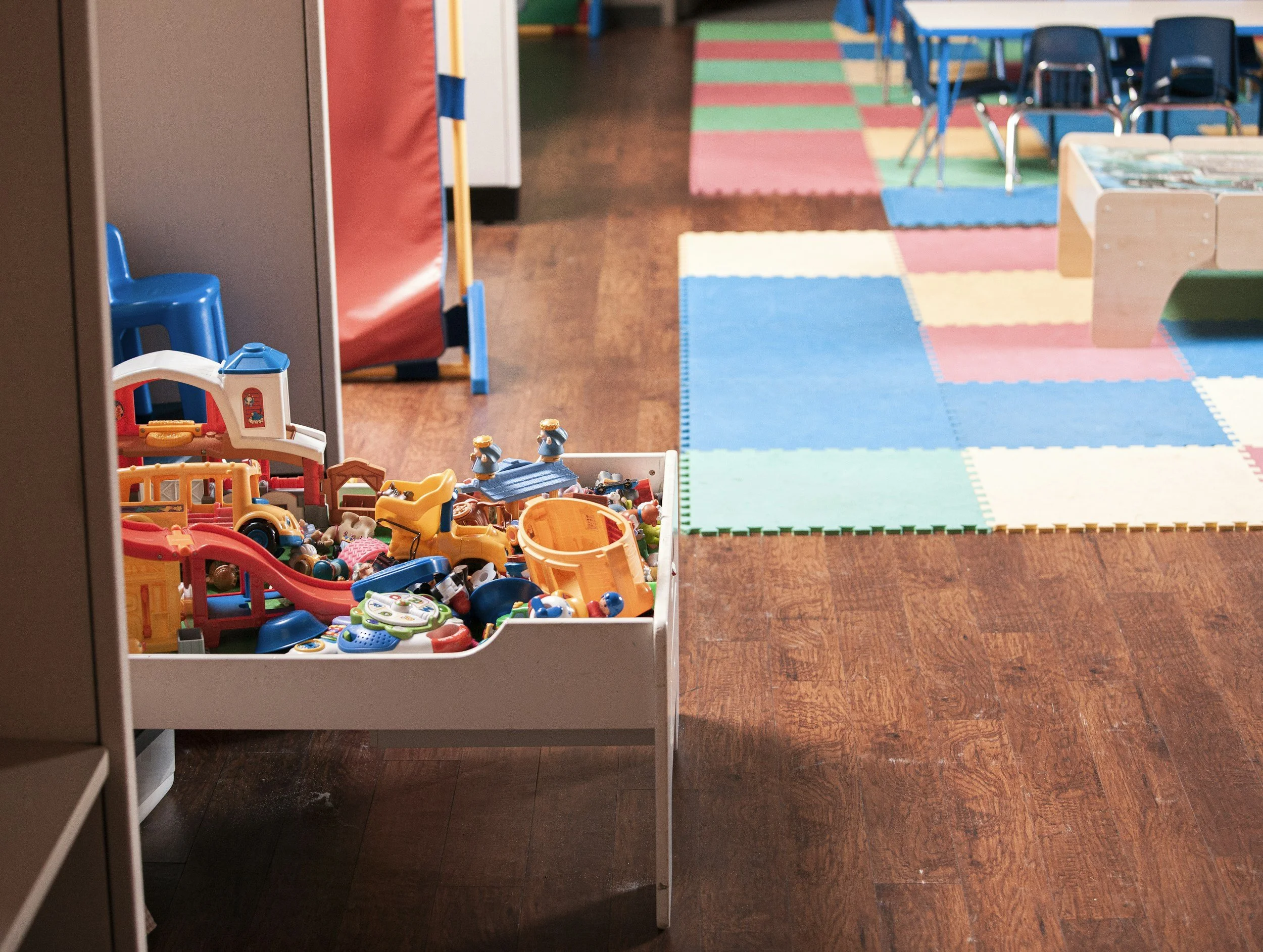
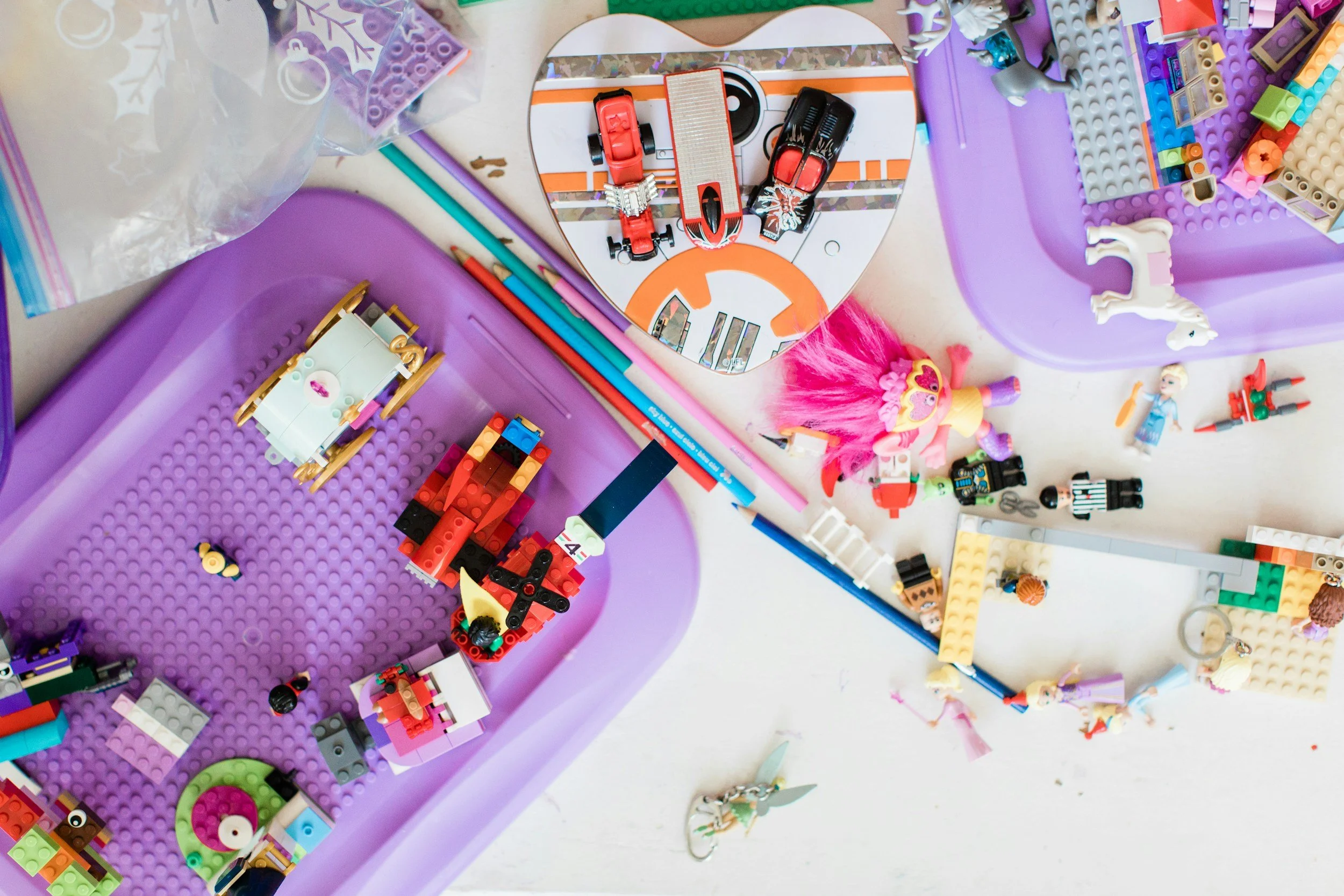
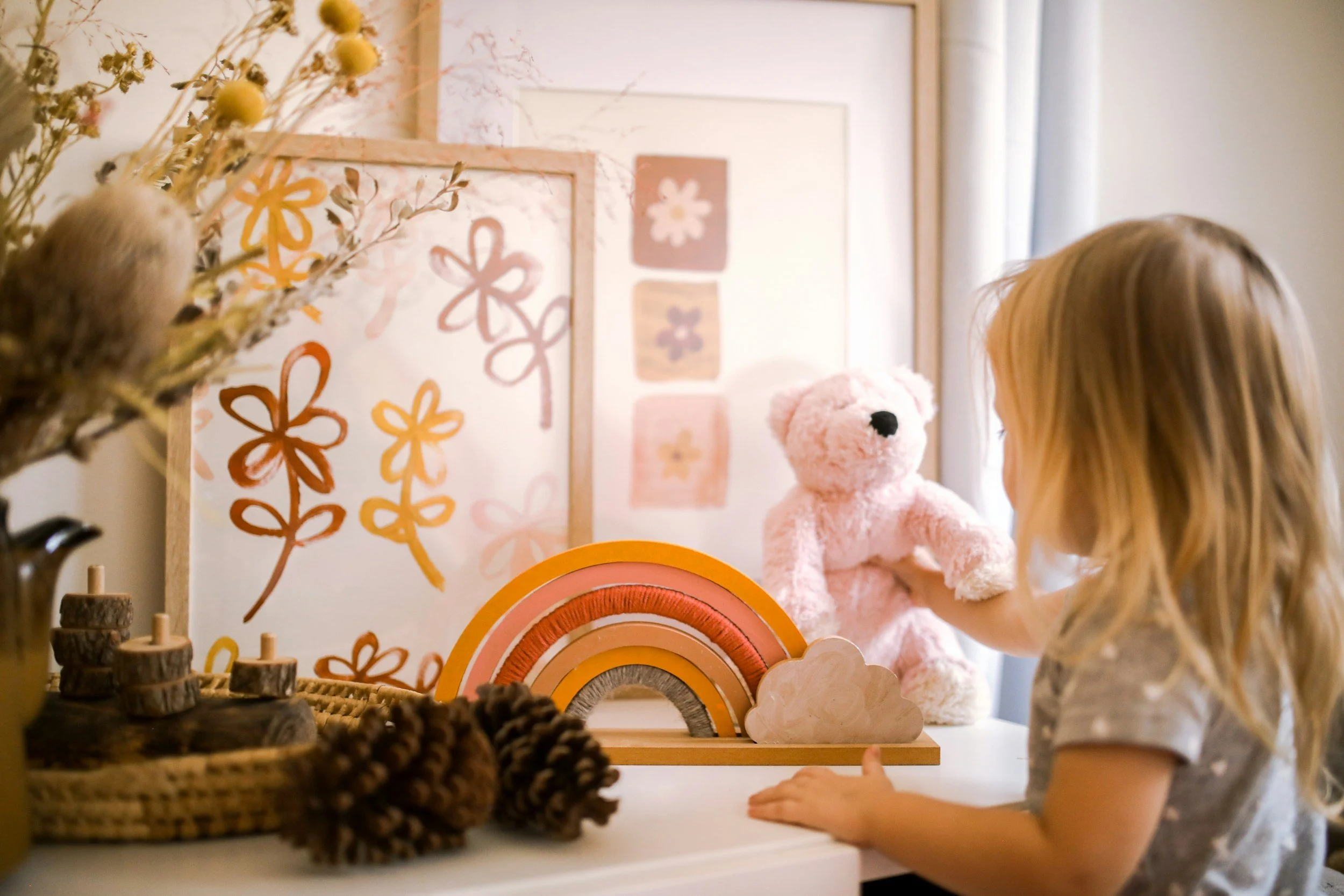
We can’t wait to show you our office and teach you more about Play Therapy!
Play Therapy is a specialized therapeutic approach uniquely suited for children ages 3–12, though it can also be effectively adapted for older children and teens with thoughtful modifications. Play Therapy is grounded in the belief that play is a child’s natural language, and therefore it is the most effective way to support emotional growth and healing. Play Therapy is universally effective across gender, culture developmental stage and wide variety of presenting issues.
As play therapy pioneer Virginia Axline stated, “Play is the child’s natural medium of self-expression.”
Children do not communicate the way adults do. While adults often use words to express thoughts and feelings, children use play. Play Therapy meets children at their developmental level, allowing them to safely explore emotions, experiences, and challenges in a way that feels natural and non-threatening. (Here’s a fun video that explains!)
Play Therapy has a rich history, with over a century of research supporting its effectiveness for children—dating back to 1905. Decades of evidence show that Play Therapy is a powerful and developmentally appropriate approach to helping children thrive. Check out some fantastic research here!
Play Therapy techniques involve intentional, purposeful interactions between a trained therapist and a child, guided by the child’s play. Each interaction is tailored to the child’s unique needs, experiences, and developmental stage. Research shows Play Therapy is effective in addressing concerns such as: anxiety and depression, trauma and grief, ADHD, emotional regulation difficulties, behavioral challenges, adjustment issues, as well as relationship and attachment concerns.
Play Therapy works because it aligns with how children’s brains develop. Rather than expecting children to process experiences like adults, it honors their developmental abilities and communicates in ways they understand.
Play Therapy is not just free play. It is a structured, evidence-based therapeutic approach in which a trained play therapist creates a safe, supportive environment where children can express themselves through uninterrupted play. The goal is not to teach children how to play “better,” but to use play as the work of therapy.
For more information and excellent parent resources, visit the Association for Play Therapy (APT) here.